


Desk to Digital: Math Facts
From Desk to Digital is a series of mini blog posts where @TheMerrillsEDU share ways to transform your students education into an interACTIVE experience. Whether substituting a worksheet or trying something new, these activities are easy and can be implemented into your classroom tomorrow! In this post, learn how the website Solvemoji.com can engage your learners with fun math fact fluency.

This blog post is from a series of ideas where we take normal, everyday tasks and make them interACTIVE! For more tips and tricks, be sure to search “Desk to digital” on our blog!
Practicing Math fluency does NOT have to involve worksheets. Teachers can bring a new element of fun into what is normally a routine and monotonous experience for students. Here’s a quick way to get your kids engaged with content that is more relevant and right up their alley!

Solvemoji
Solvemoji is a free website that uses emojis to represent numerals. The emojis are grouped together as an equation and placed on a card. Students work to try and solve the equation one step at a time.

Get Started
Select a puzzle from Solvemoji to assign to your students. Educators can download the puzzles by clicking on the download button and then uploading them into a PowerPoint / Google Slides deck, or just projecting directly to your board / screen. Students complete the puzzle using a whiteboard, then share out their responses once they have completed the task.

See It In Action
Check out the tweet below to see Solvemoji in action!
-- Stay tuned for more on how you transform your classroom into a more interACTIVE experience! 👓👗
For more tips, tricks and lesson ideas for making learning more interACTIVE, check out our books The InterACTIVE Class and Flipgrid in the InterACTIVE Class on Amazon!


Tracing Character Emotions with Text Messages!
What if you could bring characters to life by generating a text message thread between them? Now, you can!
First, we read the story, “Stand Tall Molly Lou Melon.” After we read the story, the students had to think back to various points in the text to determine how the main character (Molly Lou) was feeling. To do this, we used a “Bubble Map,” which is used to record adjectives. But, I also wanted them to focus on the emotions at different times in the story. So, we combined the bubble map, with a “Flow Map.” Smashing these two together gave us a “Blow Map!”
Using their “Blow Map,” we went through the story describing Molly’s emotions. I expected this to be challenging, so I was prepared to allow the kids to give me both adjectives and emojis - which they could then talk through to come up with an adjective. To help differentiate, I put the Blow Map on OneNote and shared it to certain students on Microsoft’s Teams. Here’s a shot of the OneNote file:

After going through the story, we used the recording sheets below to create a fake text message thread between Molly Lou and her grandmother. A student quickly pointed out that some of the adjectives we came up could be used for Molly’s Grandma, too!


Next , we took the recording sheets and created a fake texting thread using the app: TextingStory. Then, we shared our responses on Flipgrid to produce a class discussion and share our ideas. Here’s a 40 second tutorial:
Last but certainly not least, we created a fake Instagram generator to post “updates” on how Molly was feeling throughout the story. The kids even used the hashtags: #Beginning, #Middle, and #End. Grandma also got in on the fun!

To create something like the images above, just google: “fake Instagram profile.” There are a bunch of options, depending on your comfort level. Don’t hesitate to reach out if you have any questions on how this all worked!
—J 👓

Summarizing Scenes-Designing Creative Assessments
Students needed to show that they were able to summarize a story and then use that summary to tell the theme. I referred back to that quote—if I were a child, how would I want to show my ability to retell a story? In today’s digital world, retelling and summarizing happens in 30 sec clips, 7 sec vines and numerous other forms of visual media. So when I looked at it through my students’ eyes the answer was crystal clear!
One of the first things to often be “taken away” from teachers is unfortunately the right to choose what is taught and with what materials. Many districts have mandated curriculum that is to be used that goes along with specific state standards that are to be taught. At first glance, this can be a hard thing for teachers to adjust to and is challenging to do well while also keeping creativity alive in the classroom.
I remember reading a quote a while back that went “A creative adult is a child who survived.” This really resonated with me and I am often reminded of it when I get stuck trying to plan a lesson. You know those lessons I’m talking about—the ones that aren’t engaging or #interACTIVE and the ones that both you and the students dread. Even worse are when those activities culminate into boring and uneventful assessments.
Assessments are the worst—or at least the traditional ones can be. Now, don’t get me wrong, I am a HUGE proponent of data driven instruction and in my classroom this comes in both summative and formative forms. But, there are only so many multiple choice, fill in the blank, short response answers to go around in . one room. The purpose of an assessment is to see what students know and what knowledge they have gained and what better way to showcase this than through some form of new, creative context. If a student has truly mastered specific content, then they should be able to take that knowledge and transfer it into some form of personally created work.
This past week this came to fruition in my classroom with a classic standard—summarization and theme. Students needed to show that they were able to summarize a story and then use that summary to tell the theme. We had just finished reading a novel as a class and as I procrastinated writing my weekly lessons I racked my brain trying to come up with a creative way form them to show mastery. I referred back to that quote—if I were a child, how would I want to show my ability to retell a story? In today’s digital world, retelling and summarizing happens in 30 sec clips, 7 sec vines and numerous other forms of visual media. So when I looked at it through my students’ eyes the answer was crystal clear!
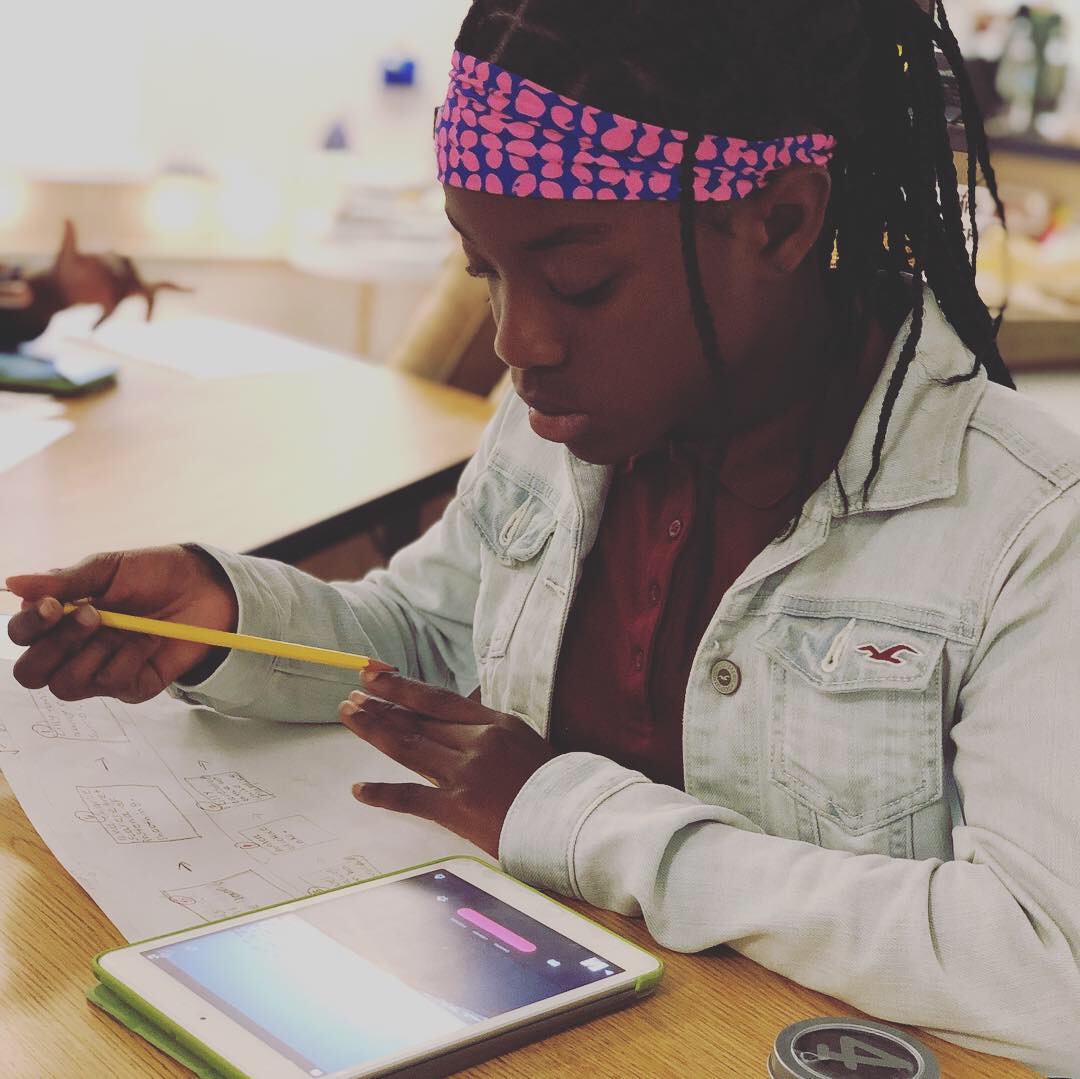
In the morning class we started out by brainstorming main events from the story and then they were given time to discuss the importance of each and to revise the list until only the most important, most relevant events remained. Students then took those main events and reordered them until they were in the correct chronological order creating if you will their own version of a “story board.” Next, students worked on finding visuals to correspond with each main event and for these Gen Z learners—-we chose emojis! When all the emojis were selected, the students smashed all their events, emojis and explanations together to create their own video summaries using Apple Clips.
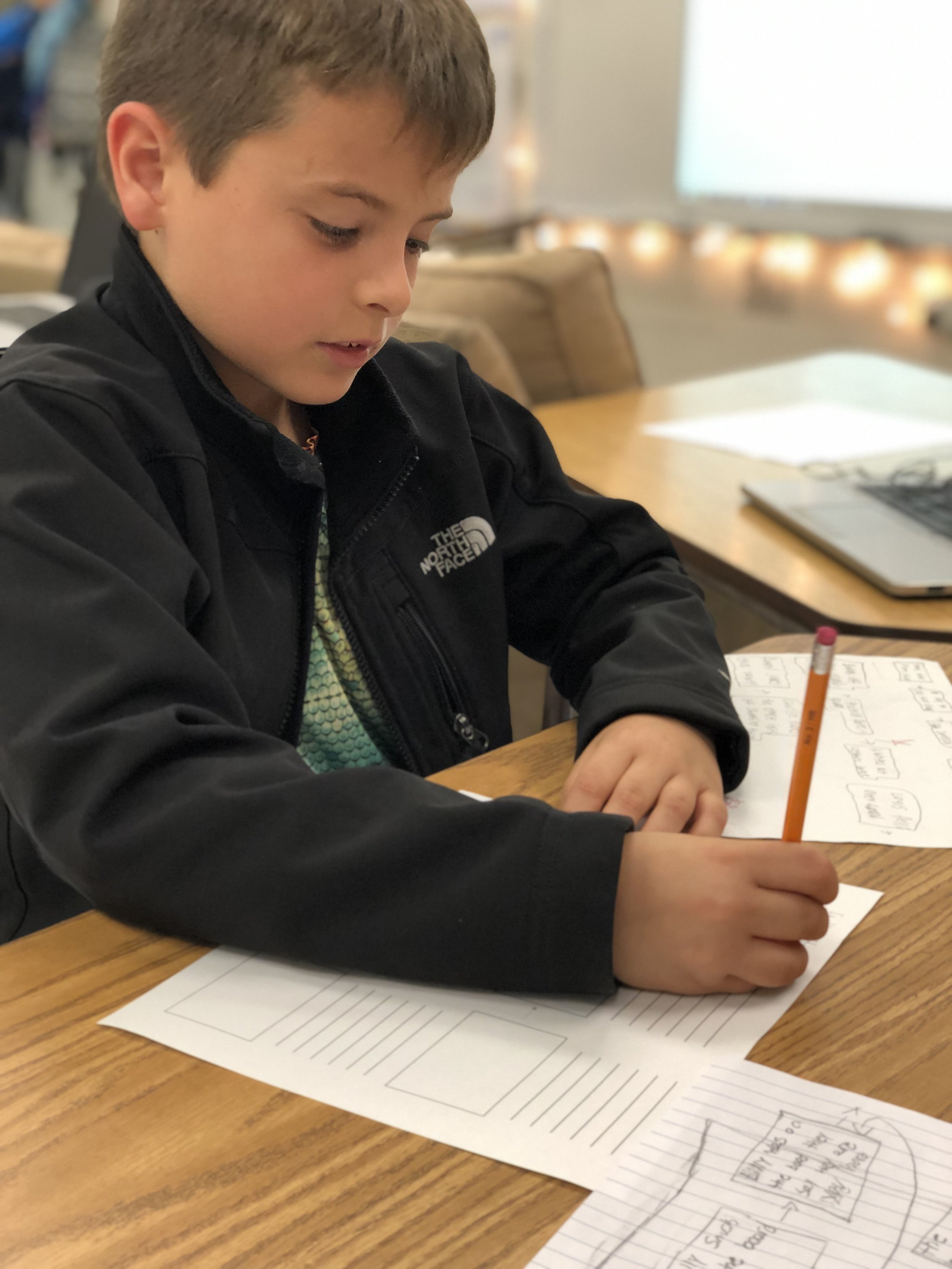
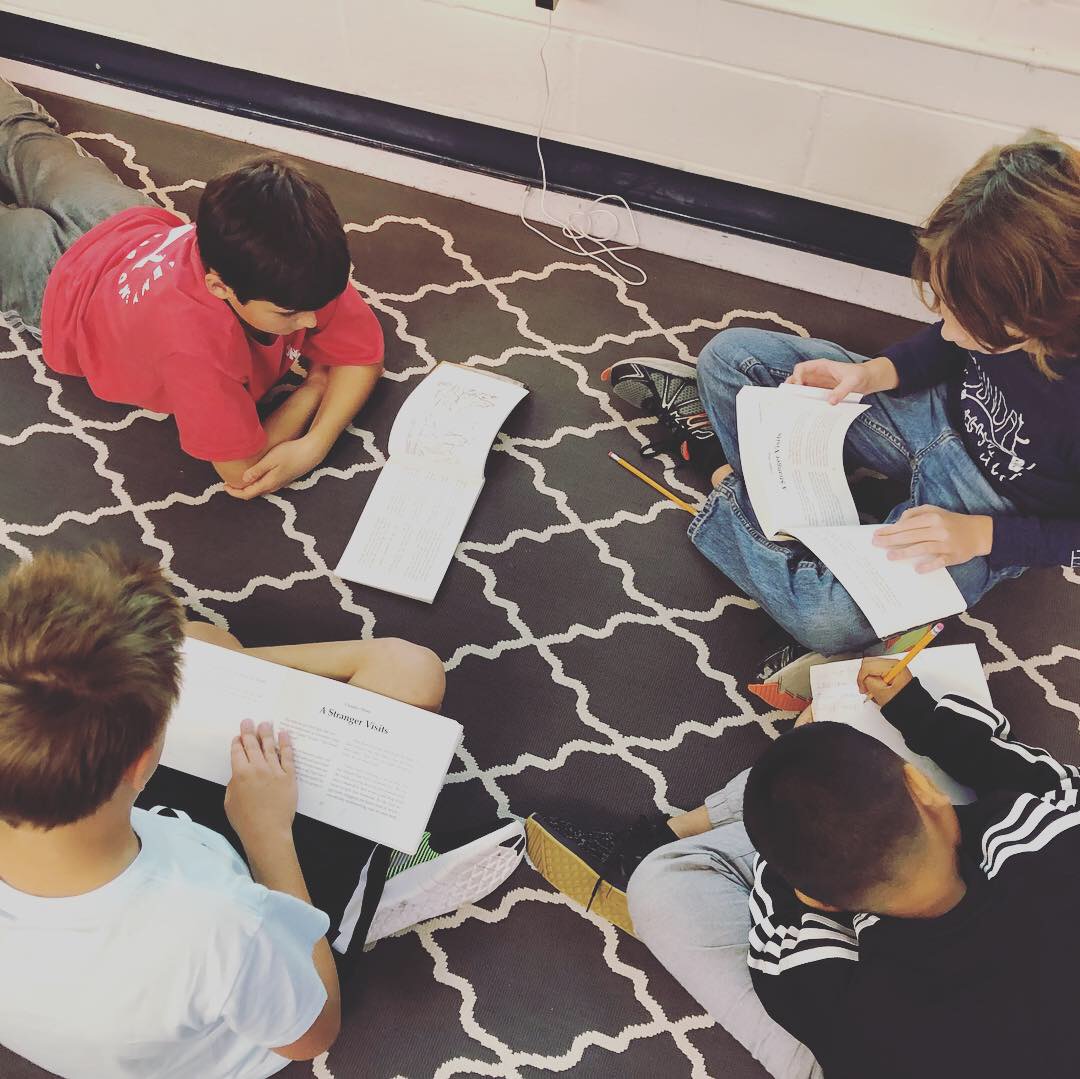
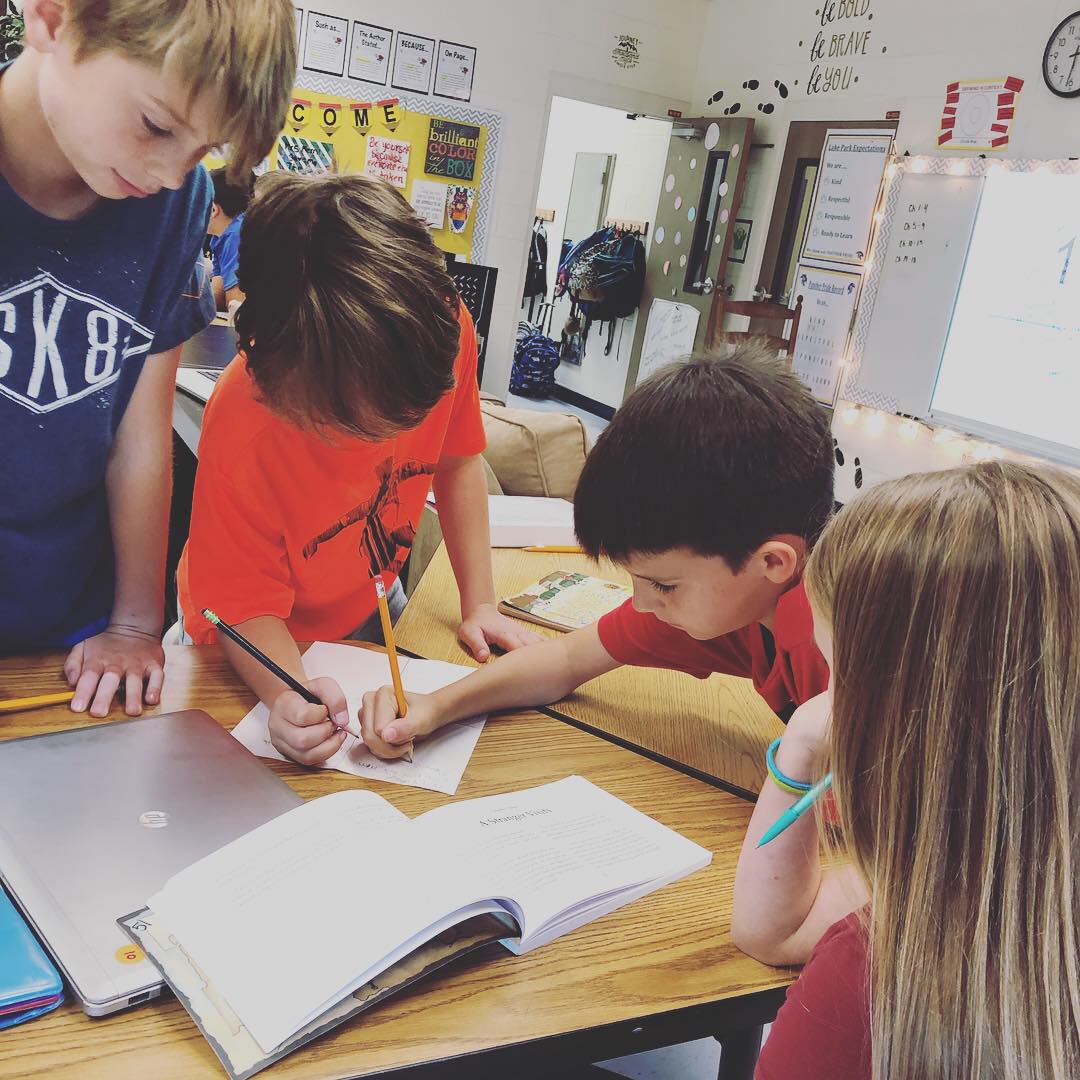
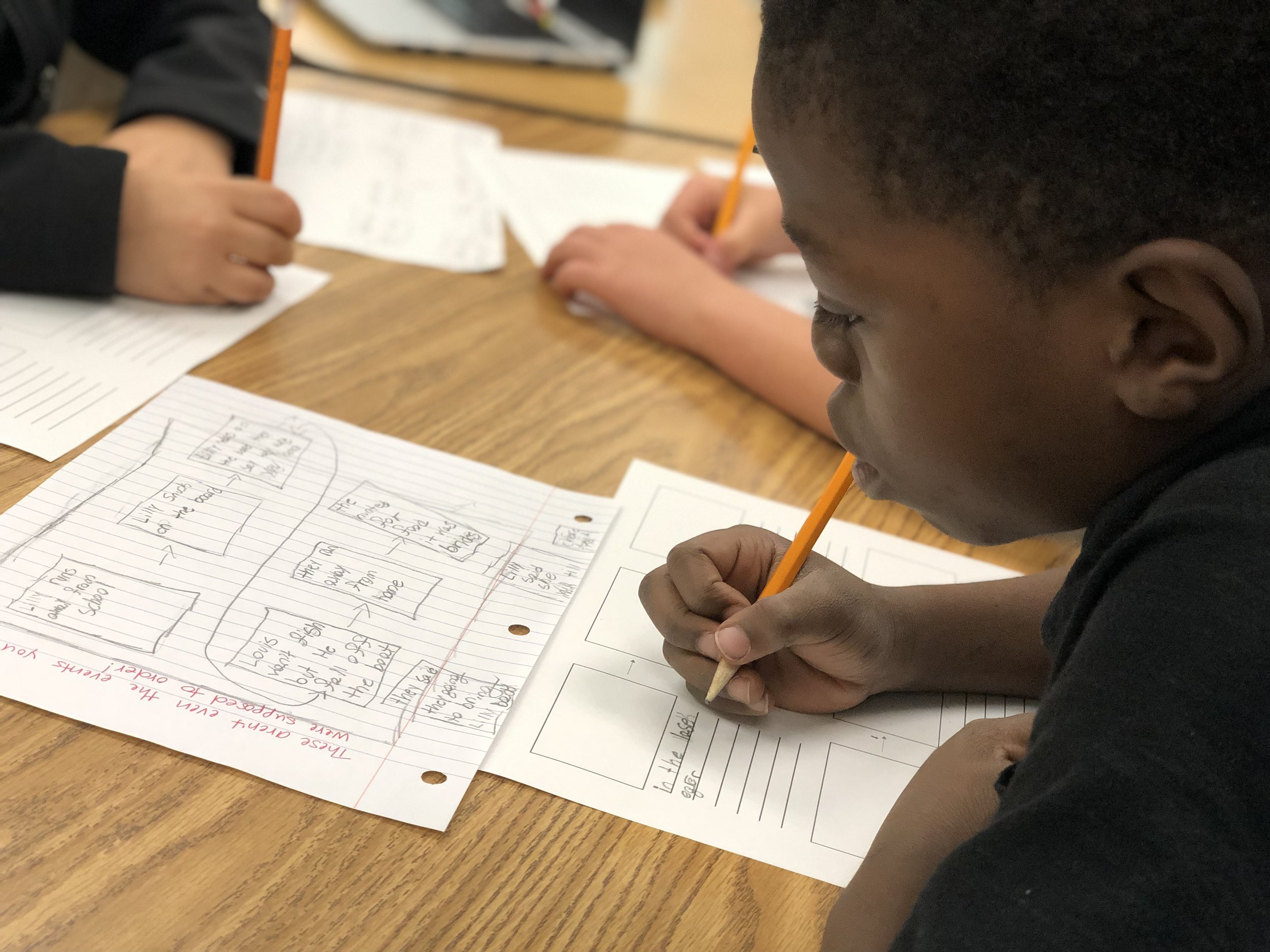
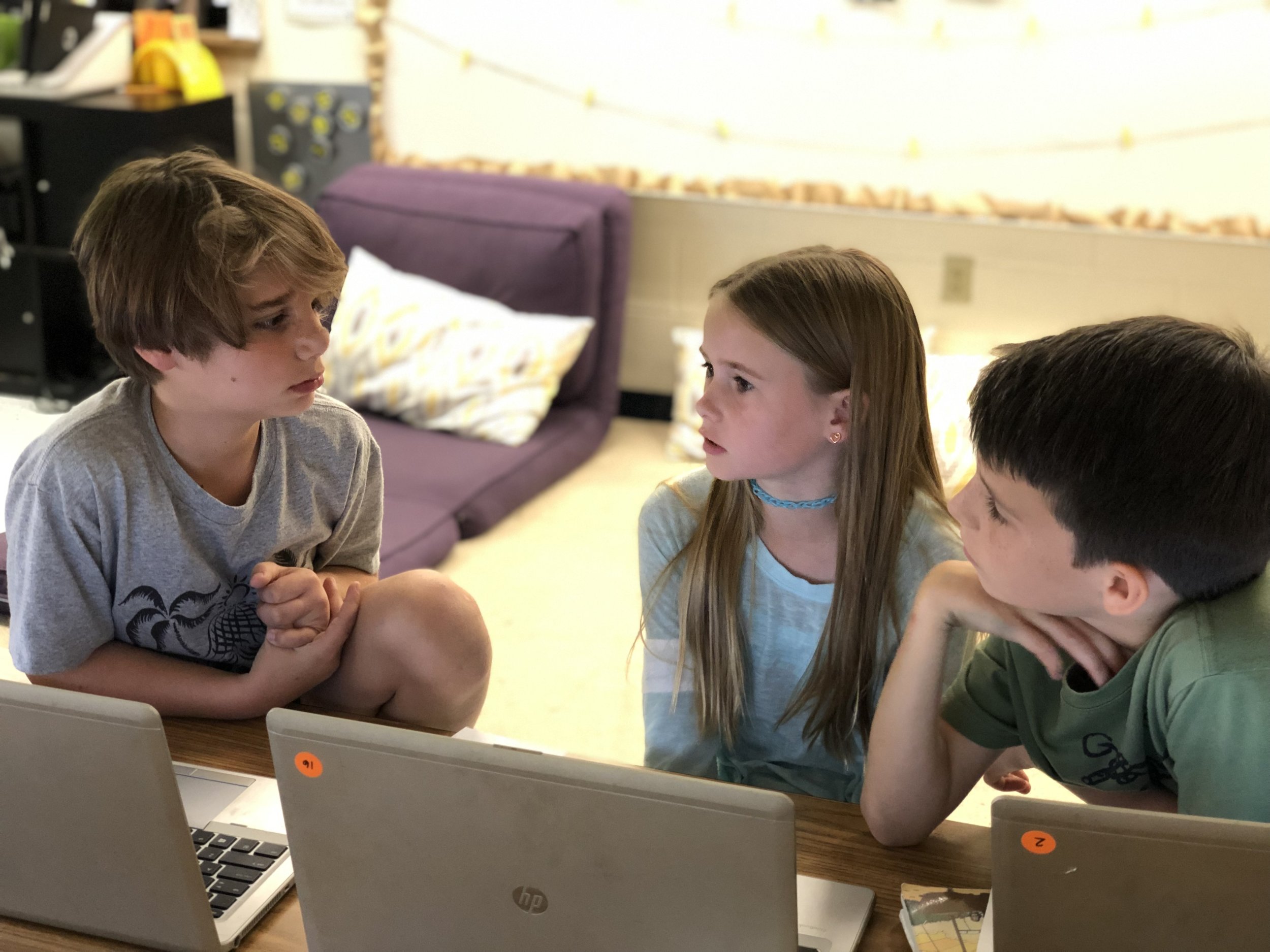
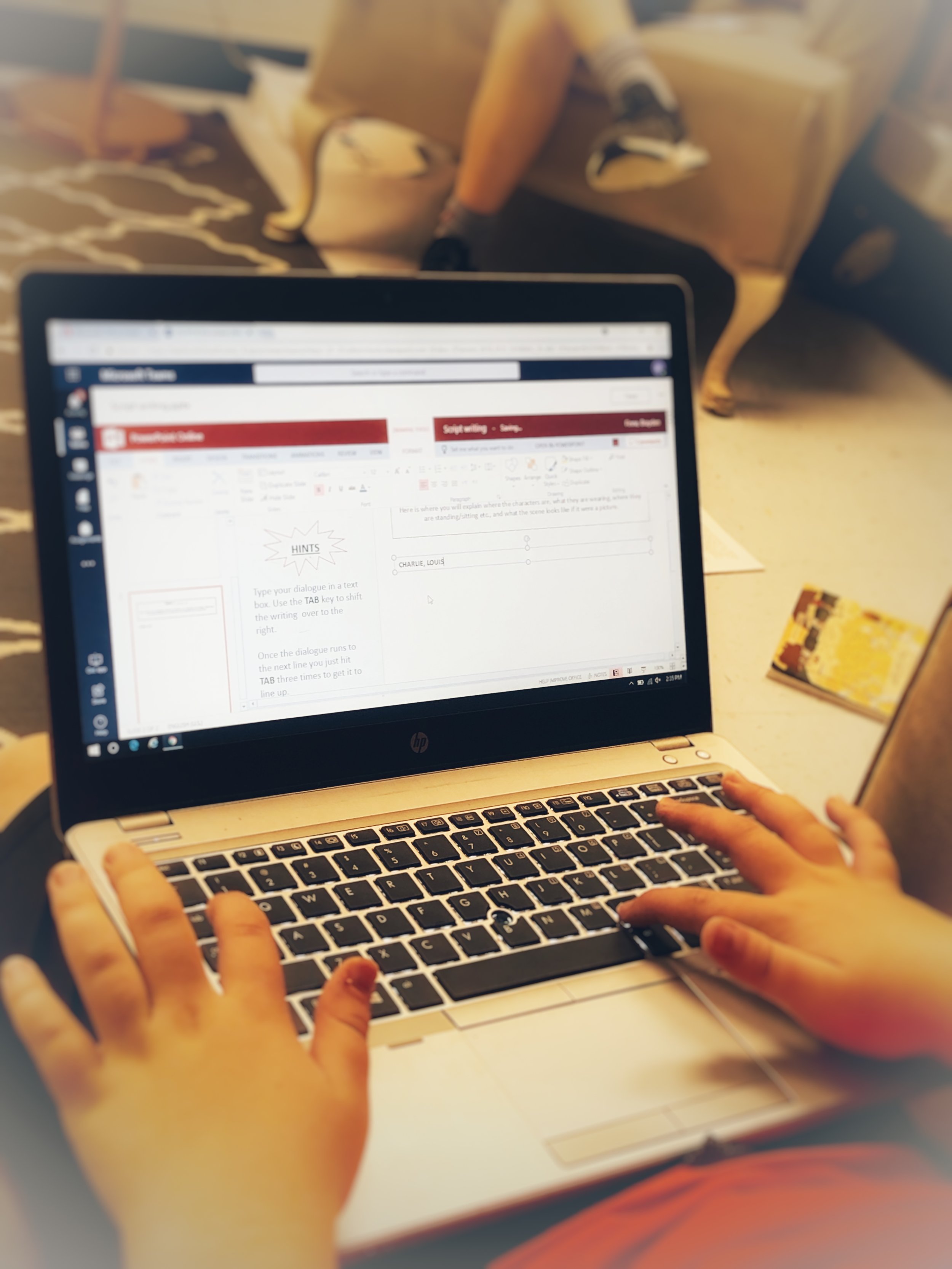
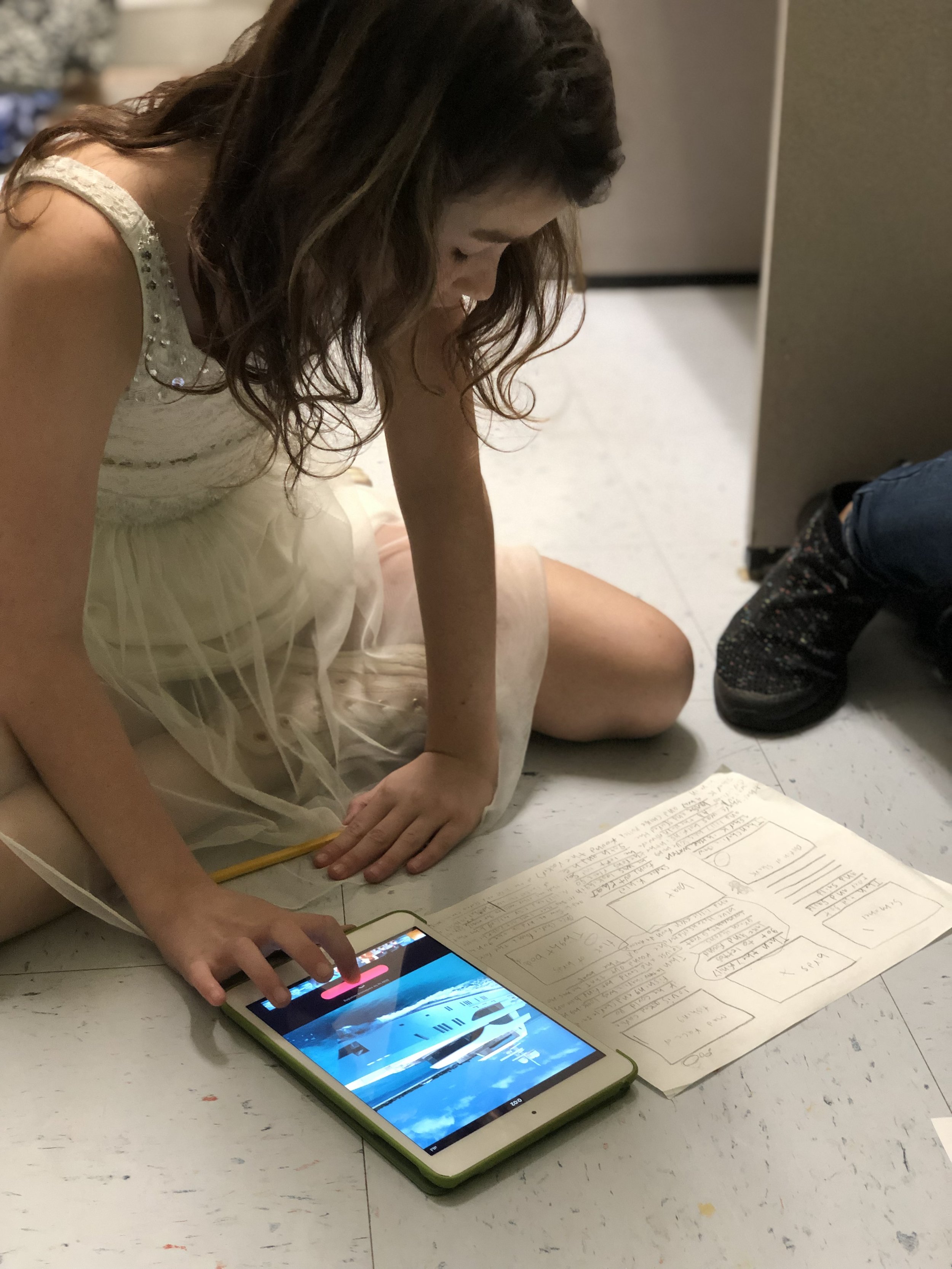
The second class I teach took a slightly different approach and instead of creating a summary in digital form, they created their summaries in a slightly more theatrical way. Students were placed in pairs, and then given the choice to group up with another set of two to create final groups of four. The novel was split into four sections (ex. Chapters 1-4, Chapters 5-10, etc.) with each student taking a different one. Students then were in charge of summarizing the main events that fell within their set of selected chapters by writing a script that the group would later act out. Students had to summarize though dialogue, descriptive language and stage directions. The groups edited and revised their plays as a whole—each helping their group members perfect their written sections before practicing. By the end of the week all groups had a fully written play that they then performed to the group.
“Creativity is seeing what everyone else has seen, and thinking what no one else has thought.””
By givings students an opportunity to creatively demonstrate their knowledge of summarization they all were able to cover the required standard while also strengthening additional skills such as video editing, public speaking and peer editing. The best part about these creative projects was that their creativity was never wasted—the more they used the more they had!
Stay creative friends! 👗-K