

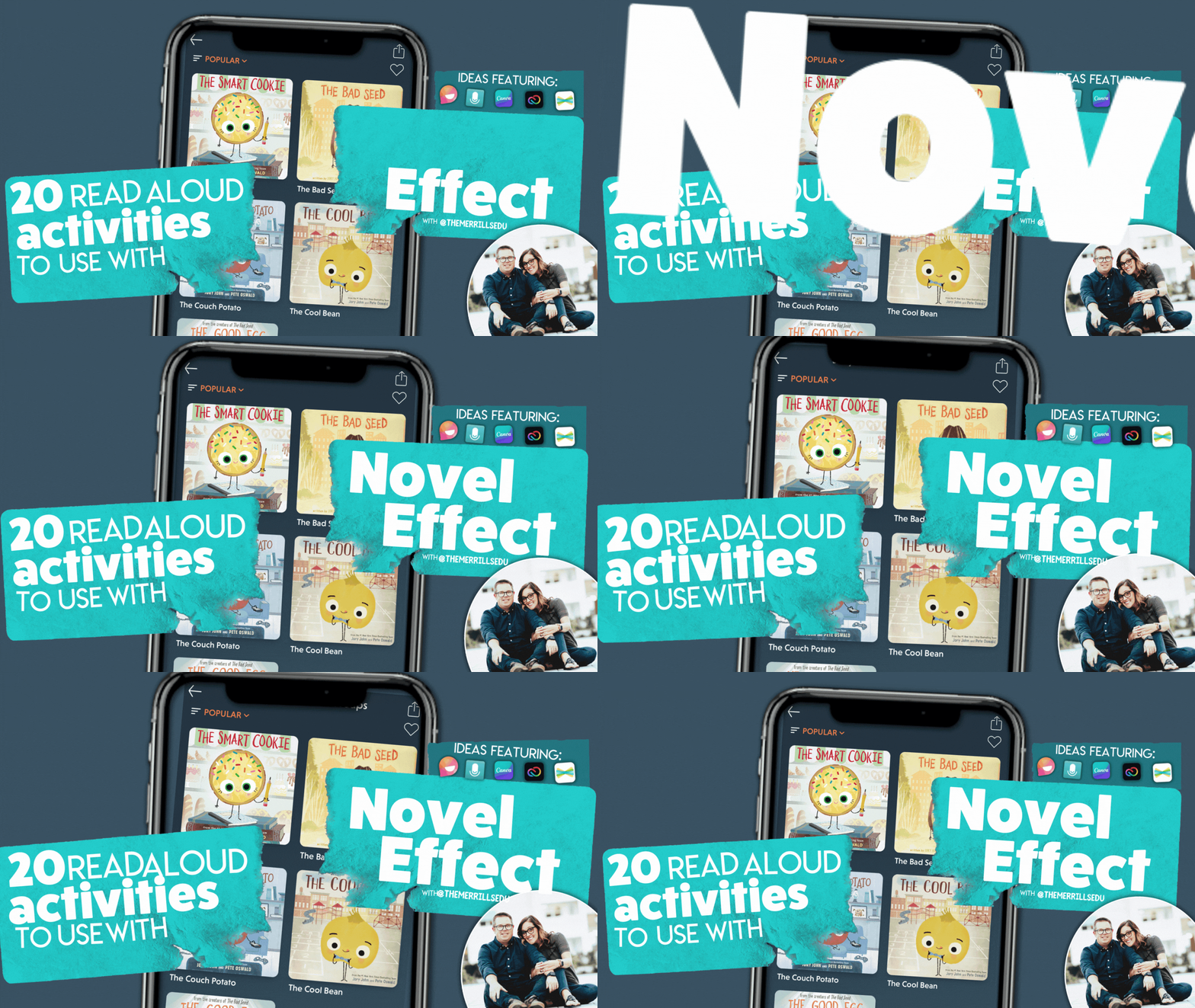
20 Read aloud Activities to Use with Novel Effect (and Other Apps)!
Novel Effect is a MUST TRY app for any classroom! See how you can use this app with books that you’re already reading. Check out some of our favorite classroom activities to use Novel Effect with - including ideas with Microsoft Flip, Canva, Adobe Express, Seesaw and more. Here’s 20 of our favorite!

If you teach reading, you HAVE to check out Novel Effect. Novel Effect is an award-winning app that follows your voice as you read out loud from a children's story book and responds at just the right moment with interactive music, sound effects, and character voices. You can learn more and download it by clicking here!
So how can we fit this amazing app into our standards? It’s easy! Novel Effect’s library is FULL of books that you most likely already have in your collection - and they continue to add more weekly. Now that we have had some time using the app, we’d like to share 20 of our favorite activities. Click on any subheading to jump to that section/activity!


The Bad Seed
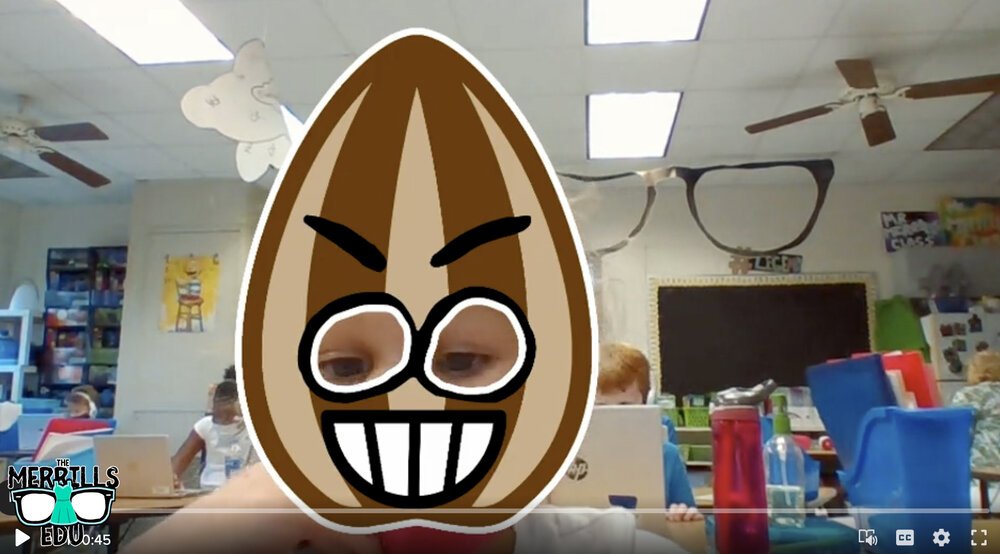
Jory John’s “The Bad Seed” has a bad temper, bad manners, and a bad attitude. But, it doesn’t last long in this popular story. One of our favorite activities to do with this book is with Novel Effect and Microsoft Flip. Follow the steps below:
Read The Bad Seed on Novel Effect
Have students use the Bad Seed sticker in a Microsoft Flip video
Students can retell the story, or explain what positive actions they can do to help promote kindness in the classroom and school campus
You can download The Bad Seed sticker by clicking here or the image.


The Good Egg
In part two of Jory John and Pete Oswald’s series, The Good Egg is trying to look out for others but forgets the most important person: themself. After some careful reflection, The Good Egg decides to do what’s best and make a change. We absolutely love to use this book as a classroom management tool. Here’s how:
Purchase an Egg plastic trophy here (you might want to remove the name plate)
Click here to read The Good Egg on Novel Effect
Give the egg trophy to a student who is meeting your expectations
Move the egg frequently, “catching” students who are doing the RIGHT thing.
The person who has the trophy at the end of the day earns a prize!

Purchase an Easter Egg trophy by clicking here
Here’s another idea that is great for the beginning of the year!

The Cool Bean

In part 3 of John and Oswald’s series, a bean always finds himself on the sidelines. After unsuccessfully trying everything he can to fit in with the crowd— the cool beans step in to show him how it’s done. Just when if it couldn’t get any cooler - it does! Now you can read this book on Novel Effect! Here’s our favorite activity includes using Microsoft Flip:
Read The Cool Bean on Novel Effect
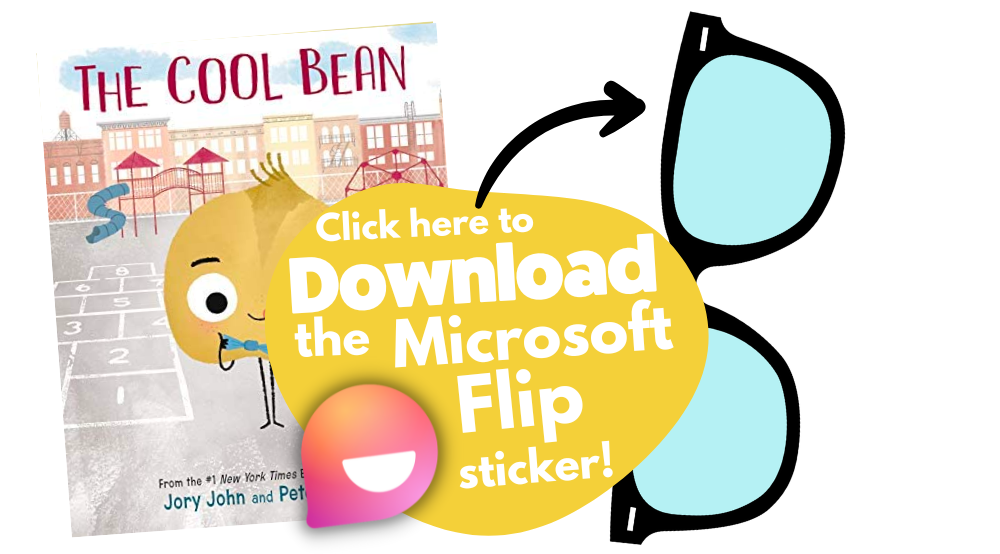
Have students use the The Cool Bean “Raybean” sticker in a Microsoft Flip video
Students can retell the story, or explain how they would act like cool beans around the classroom and school campus.

The Couch Potato

In part 4 of John and Oswald’s series, The Couch Potato has everything within reach and doesn't have to move from the sunken couch cushion. But when the electricity goes out, Couch Potato is forced to peel away from the comforts of the living room and venture outside. Bring this story to life with Novel Effect and check out this activity:
Read The Couch Potato on Novel Effect
Have students use The Couch Potato “webcam” sticker in a Microsoft Flip video
Students can use the sticker to explain why using technology all the time may not be best.
Click here to download the The Couch Potato “Webcam” sticker


The Smart Cookie

In part 4 of Johns and Oswald’s series, This cookie has never felt like a smart cookie no matter how hard she tries, especially in comparison to all the clever cupcakes and brilliant rolls in the bakery. But, a dash of creativity and a sprinkle of confidence helps her learn that perfect scores and having all the answers aren’t the only ingredients for intelligence! But the cookie doesn’t have to be the only creative one. With this activity, your students will be creating the perfect cookie with all the right ingredients!

Here’s how:
Read The Smart Cookie on Novel Effect
Download the Smart Cookie Canva template
Assign the template to your students
Students use the template to design a smart cookie and use text boxes to include things that you are good at!
Save your work and then share it on Seesaw!


Chrysanthemum

Kevin Henke’s “Chrysanthemum” gets children thinking about and bonding with their own names and the names of everyone else in the class. It's the perfect vehicle for starting a discussion about treating classmates with tolerance, kindness, and compassion. With Novel Effect, this book comes alive! Here’s an activity that we’ve done in our own classrooms:
Give each student a copy of the Chrysanthemum name tag
Students create a design for the name tag that describes Chrysanthemum’s feelings in the beginning, middle and end.
(This can be done digitally on Canva or Adobe Express - or simply with crayons)
Share your work on Seesaw!
Click here to download the Chrysanthemum name-tag (Canva) template


Wemberly Worried

Okay, we might be a bit biased on this one…Together, we’re the voice actors for the mother and father of this book on Novel Effect. In this book, Wemberly worried about everything. Big things. Little things. And things in between. Then it was time for school to start. And Wemberly worried even more. If you ever worry (or know someone who does), this is the book for you! Here’s one of favorite activities to do with it:
Read Wemberly Worried on Novel Effect
Have students use the Wemberly Worried “cover” sticker in a Microsoft Flip video
Students can use the sticker to explain what are some things that they worry about.


Enemy Pie

Derek Munson and Tara Calahan King’s “Enemy Pie” is a funny yet endearing story where one little boy learns an effective recipe for turning a best enemy into a best friend. This book is perfect for any time of the year - and often we see ourselves re-visiting it throughout the year. Here’s our favorite “Enemy Pie” activity!
Read Enemy Pie on Novel Effect
Use Canva or Adobe Express to find a recipe template (or use our Canva below!)
Assign the template to your students
Students use the template to design a recipe that includes ingredients to become a good friend.
Save your work and then share it on Seesaw!

A Bad Case of Stripes

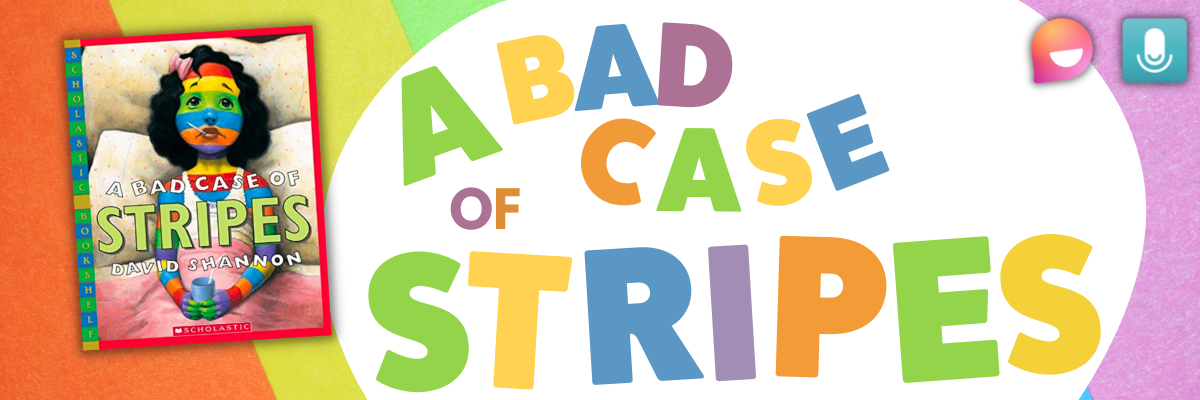
David Shanon’s “A Bad Case of Stripes” is about a little girl who secretly enjoys lima beans. However, she’s concerned about what others might think of her if they learn that she loves them. Until one day - when everyone finds out! Here’s our favorite “A Bad Case of Stripes” activity:
Read A Bad Case of Stripes on Novel Effect
Have students use the Bad Case of Stripes sticker in a Microsoft Flip video
Students can use the sticker to explain what happens in the story, or even share something unusual that they like.
Click here to download the Bad Case of Stripes sticker


Hey Little Ant

Phillip Hoose’s “Hey Little Ant,” is about a surprising conversation between a tiny ant and a little girl. The book is bound to inspire important discussions about caring, kindness and respect for both animals and humans. Here’s our favorite activity:
Read Hey Little Ant on Novel Effect
Have students use the magnifying glass sticker in a Microsoft Flip video
Students can use the sticker to explain how the illustrations in the book may portray a different message. than the words.


Grumpy Monkey

In “Grumpy Monkey,” Suzanne and Max Lang bring hilarity and levity to this very important lesson on emotional literacy, demonstrating to kids that they are allowed to feel their feelings. This is a great lesson for any time of the year, and here is our favorite activity:
Read Grumpy Monkey on Novel Effect
Have students use the Grumpy Monkey sticker in a Microsoft Flip video
Students can use the sticker to explain how the illustrations in the text told a different story than the words.


Mae Among the Stars

Roda Ahmed’s “Mae Among the Stars,” is an inspiration to students to reach for the stars - no pun intended. We love how it encourages girls (specifically) to aspire for the impossible, and to persist with childlike imagination. Here’s our favorite “Mae Among the Stars” activities:
Read “Mae Among the Stars” on Novel Effect
Have students use the astronaut sticker in a Microsoft Flip video
Students can use the draw tool to add planets, stars, etc. Or, students can add stickers like a rocket!
Have the students retell the story as an astronaut!

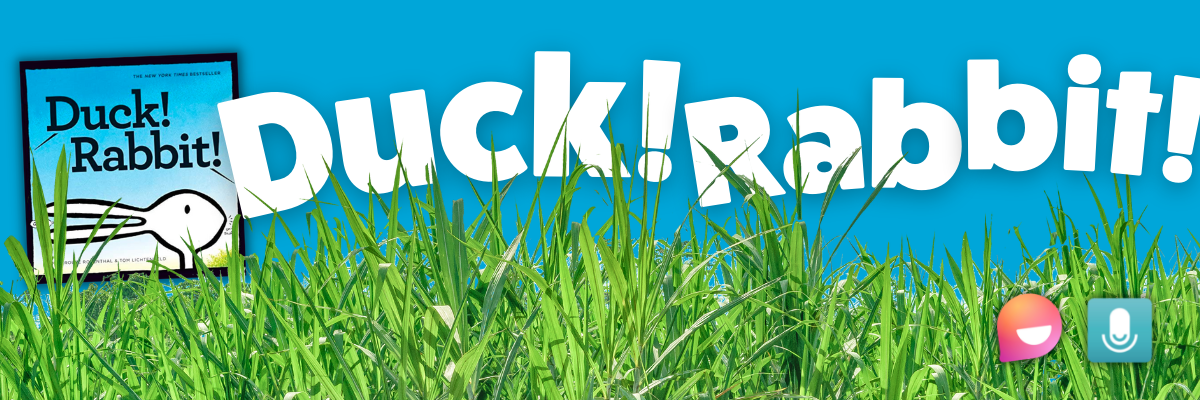
Duck! Rabbit!

Amy Rosenthal and Tom Lichtenheld’s, “Duck! Rabbit!” has a clever take on the age-old optical illusion: is it a duck or a rabbit? Depends on how you look at it! Readers will find more than just humor here; there's also a subtle lesson for kids who don't know when to let go of an argument. Here’s our favorite “Duck! Rabbit!” activity:
Read “Duck! Rabbit!” on Novel Effect
Have students use the Duck Rabbit sticker in a Microsoft Flip video
Students can use the draw tool to add a duck bill or rabbit ears to share their opinion on whether the image is a duck or a rabbit
Have students watch the other responses and see if another student can convince them otherwise!
Click here to download the Duck Rabbit sticker


The Oldest Student

Rita Hubbard and Oge Mora’s “The Oldest Student” is based on the true life story of Mary Walker. Imagine learning to read at the age of 116! Mary, the nation's oldest student, did just that. We love this story for so many reasons and it can be used in lots of different ways. Here is just one of our favorite ways to use it:
Read “The Oldest Student” on Novel Effect
Have students use the Grandma Glasses sticker in a Microsoft Flip video
Students can use the sticker to retell the events of the story and Mary Walker’s life!


I Want My Hat Back

Jon Klassen is one of our favorite authors. We love his writing and artistic style. “I Want My Hat Back,” is a take on the classic repetitive tale, but it plays out in sly illustrations laced with visual humor. The reader(s) feels to be in on the joke, as the bear frantically looks back to find his beloved hat. Here’s our favorite activity:
Read “I Want My Hat Back” on Novel Effect
Have students use the red hat sticker in a Microsoft Flip video
Students can use the sticker to retell the sequence of events in the story!


This is Not My Hat

In part 2 of Klassen’s series, the hat series takes a bit of a twist. This time, we follow the character who deliberately took a hat from its owner. The character is confident, perhaps overly confident, which leads him into trouble. We really enjoy reading this book after “I Want My Hat Back.” This allows us to complete this activity:
Read “This is Not My Hat” on Novel Effect
Have students use the tiny hat sticker in a Microsoft Flip video
Students can use the sticker to compare / contrast “I Want My Hat Back” and “This is Not My Hat.”


Are You Scared Darth Vader?

In Adam Rex’s “Are You Scared Darth Vader,” nothing can scare Lord Vader! Not monsters or witches or ghosts, and especially not the dark. So what is Darth Vader scared of? A surprise at the end, that’s for sure! If you’re a Star Wars fan - or have kids that are, then this book is for you! Here’s our favorite activity:
Read “Are You Scared Darth Vader” on Novel Effect
Have students use the Darth Vader sticker in a Microsoft Flip video
Students can use the sticker to recreate the ending of the story: What else do you think Darth Vader might be scared of?


Those Shoes

In Maribeth Boelts’ “Those Shoes,” Jeremy desperately wants a pair of popular shoes. However, he soon sees that the things he has -- warm boots, a loving grandma, and the chance to help a friend -- are worth more than the things he wants. Here’s our favorite activity:
Read “Those Shoes” on Novel Effect
Give each student a copy of the Shoes template (this can also be done virtually on Canva or Adobe Express)
Students design a pair of shoes that they would like to give to a friend
Students share their thoughts in a Microsoft Flip video: “Why would these be perfect for your best friend?”


Shark Lady: The True Story of How Eugenie Clark Became the Ocean's Most Fearless Scientist

Eugenie Clark devoted her life to learning about sharks. After earning several college degrees and making countless discoveries, Eugenie wrote herself into the history of science, earning the nickname "Shark Lady." Through her accomplishments, she taught the world that sharks were to be admired rather than feared and that women can do anything they set their minds to. This book by Jess Keating walks through those accomplishments! Here’s our favorite activity:
Read “Shark Lady” on Novel Effect
Have students use the underwater, mask and shark fin sticker sticker in a Microsoft Flip video
Layering is important for this to look correct. The underwater scene must be in the back. The next layer should be the mask - but if students place the mask layer in the back (behind the underwater scene) - it won’t look right.
Students can use the stickers to explain some of Eugenie Clark’s accomplishments


The Day the Crayons Quit

This classroom favorite from Drew Daywalt and Oliver Jeffers features crayons that are feeling overworked and exhausted. What can the main character, Duncan, possibly do to appease all of the crayons and get them back to doing what they do best? We love spreading this book out over several days to talk about persuasion. One of our favorite activities uses trading cards made by the students for each character. Here’s the activity:
Read “The Day the Crayons Quit” on Novel Effect
Give each student a copy of the trading card template
Students select crayons of their choice and decorate the cards as they see fit
On the “level” section of the cards, students can rate each crayon on a scale of how persuasive was the color was in the story (1 being the lowest, 10 being the highest)
Students can save their work, then upload it to Seesaw!


Download all of our stickers!
Love what you see, but don’t want to have to download each sticker one-by-one? We’ve got you covered! Click here or the button below to download every Flip sticker from our activities above!

-- Please follow us on social media and tag us with how you’re using Novel Effect or these activities in your classroom! 👓👗
For more tips, tricks and lesson ideas for making learning more interACTIVE, check out our books The InterACTIVE Class and Flipgrid in the InterACTIVE Class on Amazon!



First Chapter Friday
InterACTIVE teaching is all about being reactive and responsive when it comes to what and how we teach. We also know that engagement comes through games and the act of “time running out.” So combine the two and you essentially get the idea behind “first chapter Friday.”
InterACTIVE teaching is all about being reactive and responsive when it comes to what and how we teach. We also know that engagement comes through games and the act of “time running out.” So combine the two and you essentially get the idea behind “first chapter Friday.”
This idea was pitched to me by my awesome, amazing, and ultra creative reading coach. (Find her on social media at @literacyunscripted on both Twitter and Insta) She knows my love of books—chapter, picture, fiction, nonfiction—you name it, we love to read and talk about it. We share books with each other constantly and we both have a strong belief that students should be able to read what they want and chose based on interests rather than by reading level, points earned, genre, etc.
In the perfect utopian classroom students would be reading often, choosing their own books and finding time to become active and avid readers, but we all know that this isn’t the reality. Our classrooms are filled with standard driven lessons, curriculum pacing and unfortunately for many yearly state assessments. Students are given very little time, maybe 20 minutes a week—if that—to spend inside their school library and are often unaware of the titles housed along the shelves. And don’t even get me started on the titles that are out there that just might not be available in the school library. So the idea of #firstchapterFriday was pitched to help introduce our students to more books.
In a nut shell, #firstchapterFriday is a 15 minute part of our day every Friday where a new book is introduced to the class and the first chapter is read aloud. It is a great way to expose students to new topics and titles and also provides a quick and easy way to review genres, writing styles, new authors and so much more. We have been doing it at the very end of the day after we pack up but it could easily be how you start the day, or squished in between other scheduled parts of the routine day.
The books can be from anywhere, but I would suggest choosing books you either have in your own classroom library or ones that are available in the school library so they are available for students to check out and read if they choose to do so after hearing the first chapter. Here are the titles we have read so far in my 4th grade classroom.
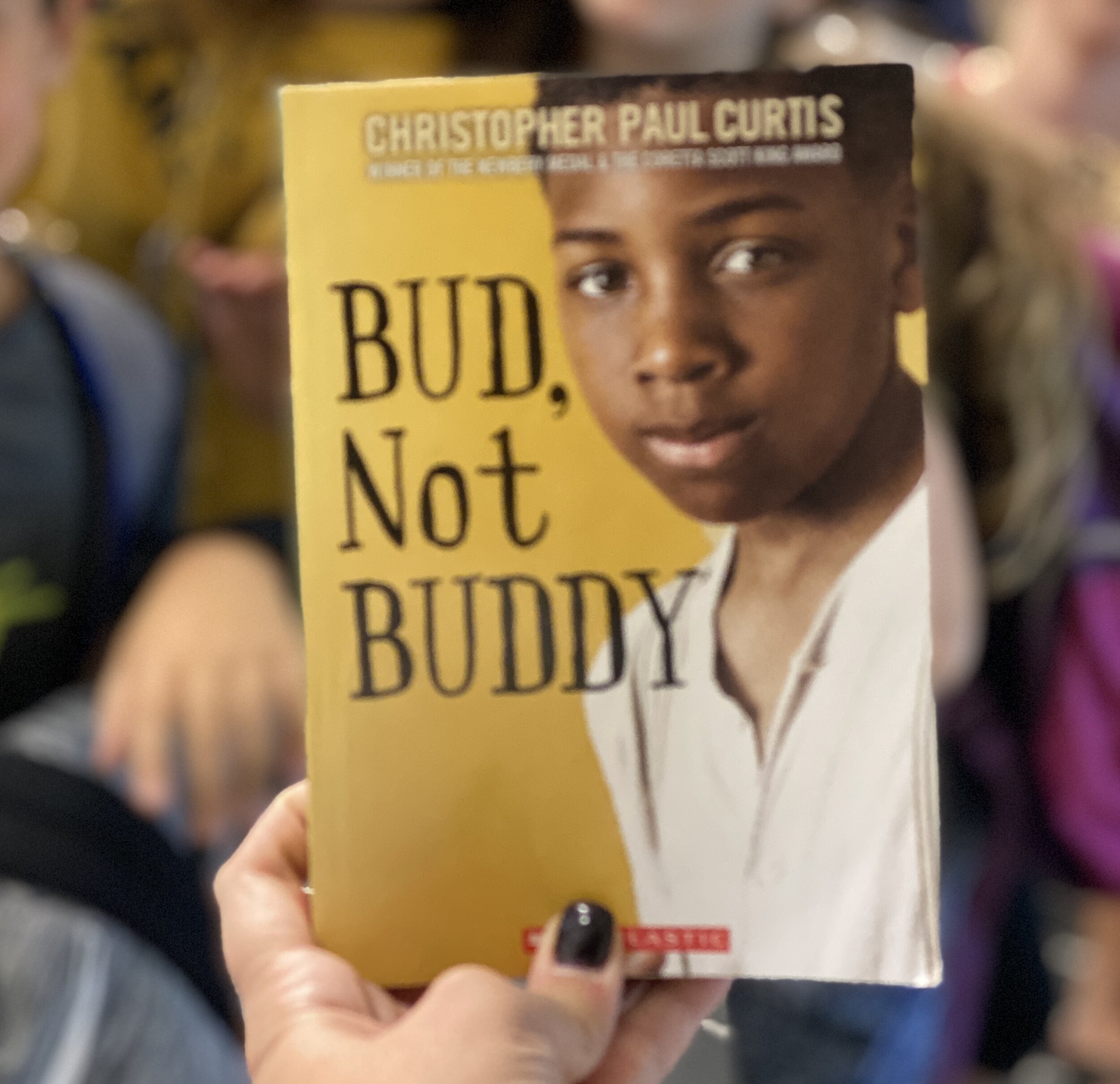
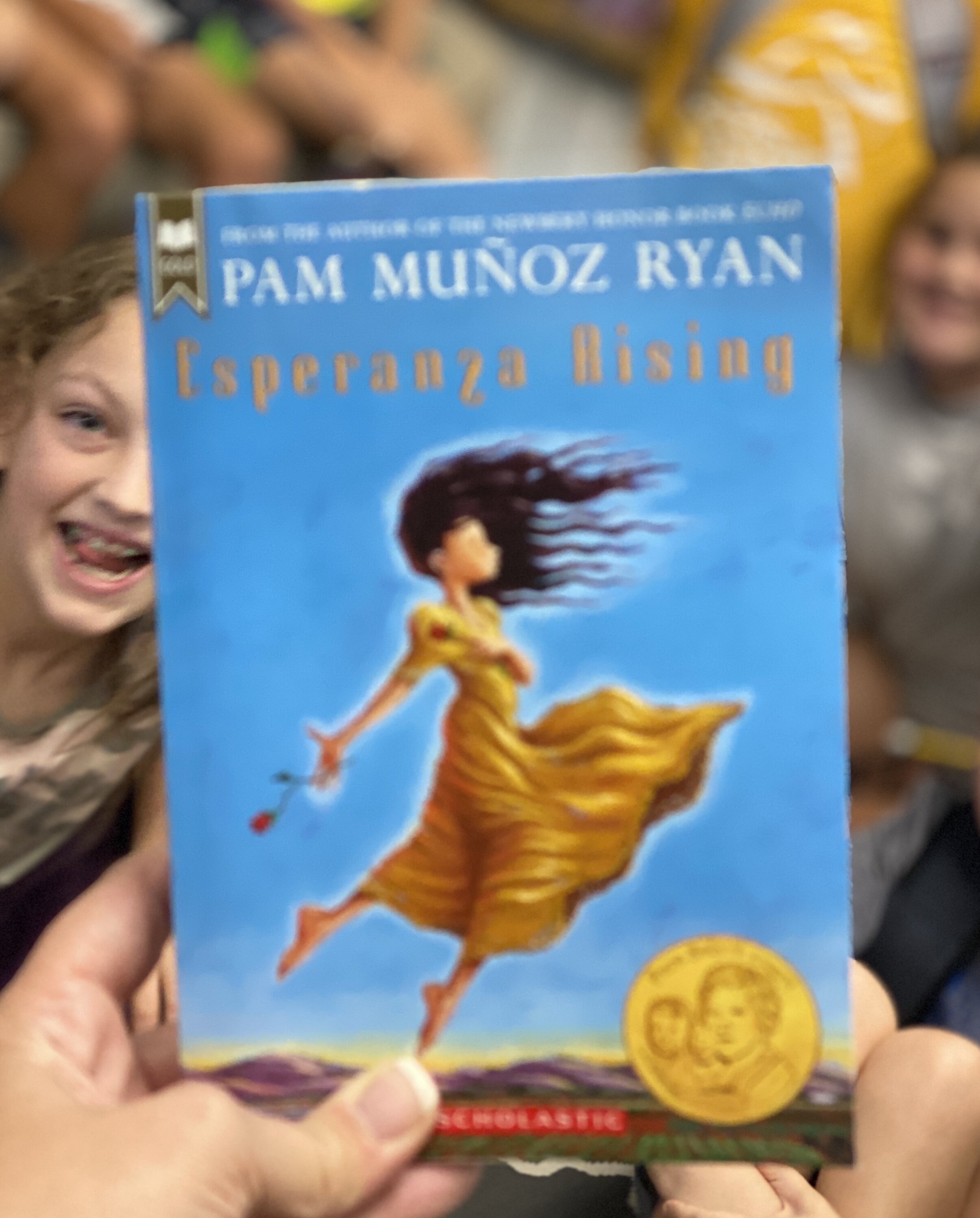
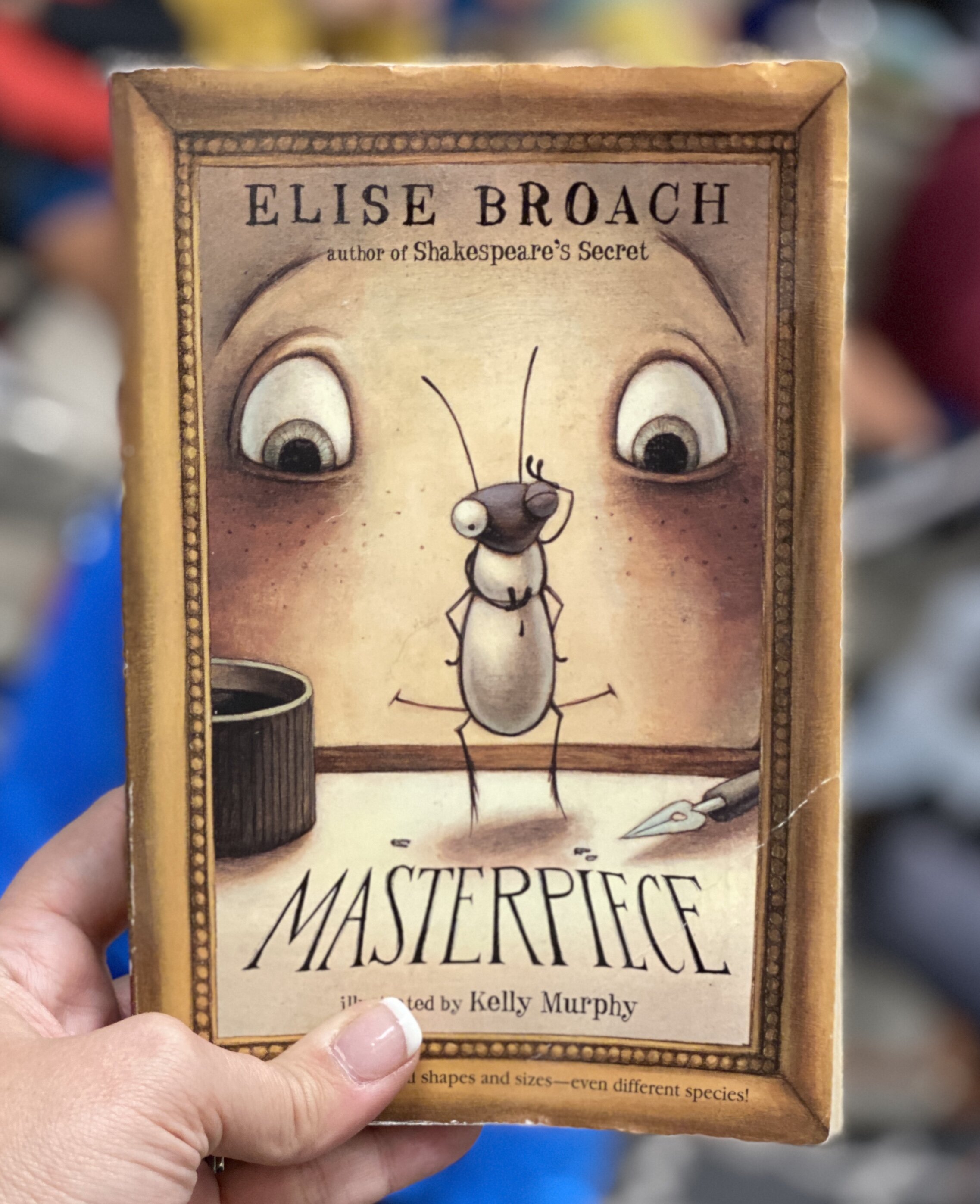
Giving students a choice when it comes to their reading is key to helping them become independent readers while also being an easy and simple way to share and expose them to more.
Stay interACTIVE!
-K 👗
Looking for more interACTIVE ideas for your classroom? Check out our book The InterACTIVE Class!

An Invisible Room Transformation!
What if we told you that you could transform your room without moving a single thing? You can and it’s even easier than you think!
Often times, educators think of room transformations as having to completely change the look of their classroom. Whether it’s draping the walls with tablecloths, using black lights, or rearranging furniture, room transformations can capture the engagement of your students and motivate them to complete tasks. But it doesn’t always have to be this complicated. After all, the whole purpose of a room transformation is to capture engagement. So what if we told you that you could transform your room without having to rearrange a thing? It’s possible with something that we like to call “An Invisible Room Transformation!”

To start, we read the book, “The Invisible Boy” by Patrice Barton (you can purchase it by clicking right here). This story is about a boy who feels invisible because no one is paying attention to him. As the story progresses, he meets a new friend that shows kindness and eventually changes the way that he feels. The main character goes from black and white to full of color. So…how does this tie into a room transformation?

Simple! After reading the story, explain to the students that you will pick one student to be the “invisible student.” It’ll be a secret, so only you and the student will know who it is. If another student shows kindness towards the “invisible student,” they will whisper, “I was the invisible student, now it’s your turn!” The student who showed kindness now becomes the new “invisible student.” The process repeats every time a new person shows kindness. At the end of the day, the student who is the “invisible student” earns a prize. This has transformed your classroom, without having to move a thing! Plus, it has promoted kindness with your students. Hence, the “Invisible Room Transformation!’
👓👗💚
Analog Analyzation
Technology is an awesome resource that we have at our fingertips. It creates accountability, gives accessibility and can foster creativity. But technology isn’t a bandaid that should be used to fix a lesson. It also isn’t something that your lesson should morph around in order to incorporated. As we always say, start with your content and then see if there are ways to foster more voice, involvement and creativity using technology.
Technology is an awesome resource that we have at our fingertips. It creates accountability, gives accessibility and can foster creativity. But technology isn’t a bandaid that should be used to fix a lesson. It also isn’t something that your lesson should morph around in order to incorporated. As we always say, start with your content and then see if there are ways to foster more voice, involvement and creativity using technology.
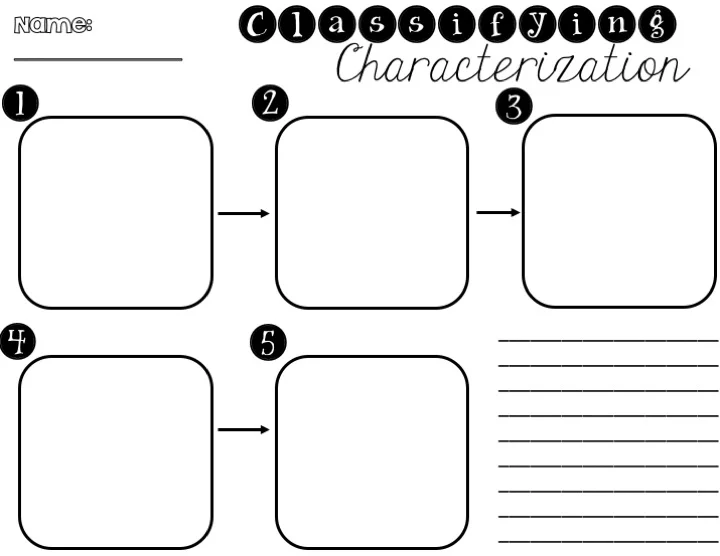
But even an avid #edtech user like myself loves some good old analog analyzation in my ELA classroom. Teach plot was our target for this particular week and we were focusing specifically on character traits and evidence supporting our descriptions. We started by reading the book The Most Magnificent Thing.

You could read any great book with a well developed character but I like this one for the beginning of the year. Its message is one of determination, hard work, frustration and the confidence that develops when you persevere. It fits nicely into the previous SEL lessons we do first week. But again, you could choose any story that fits within your current unit.
After reading, each student set out to work on their own characterizations. Using EdPuzzle to review the story, students were give three tasks:
1) Find evidence from the story they could use to support the character embodied the set of traits they were given. (I gave them the list of traits for this activity. They were responsible, innovative, confident, engaged and reflective) Students went back and watched the story read aloud on EdPuzzle pausing it along the way to record the evidence they found for the various traits.
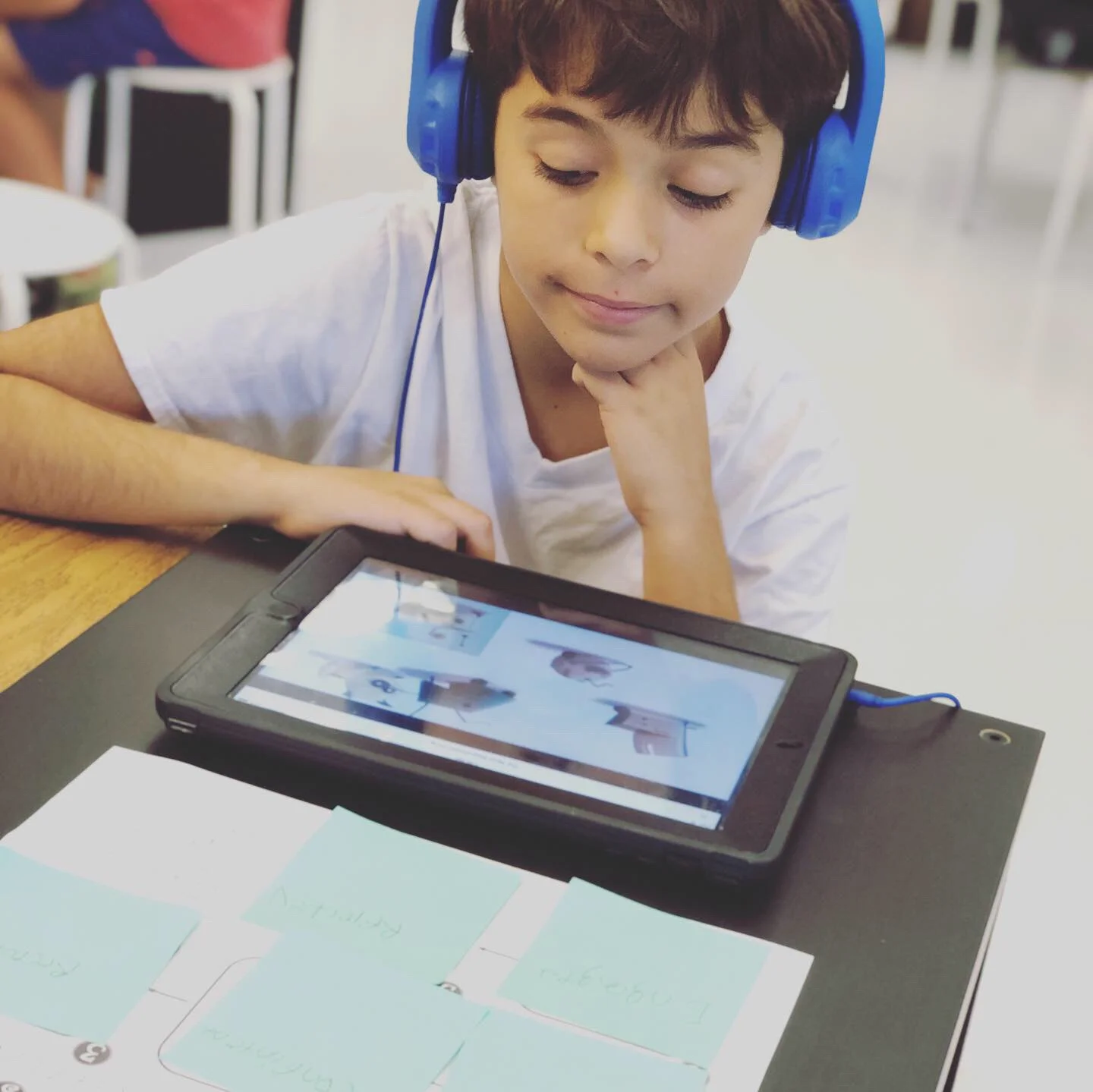
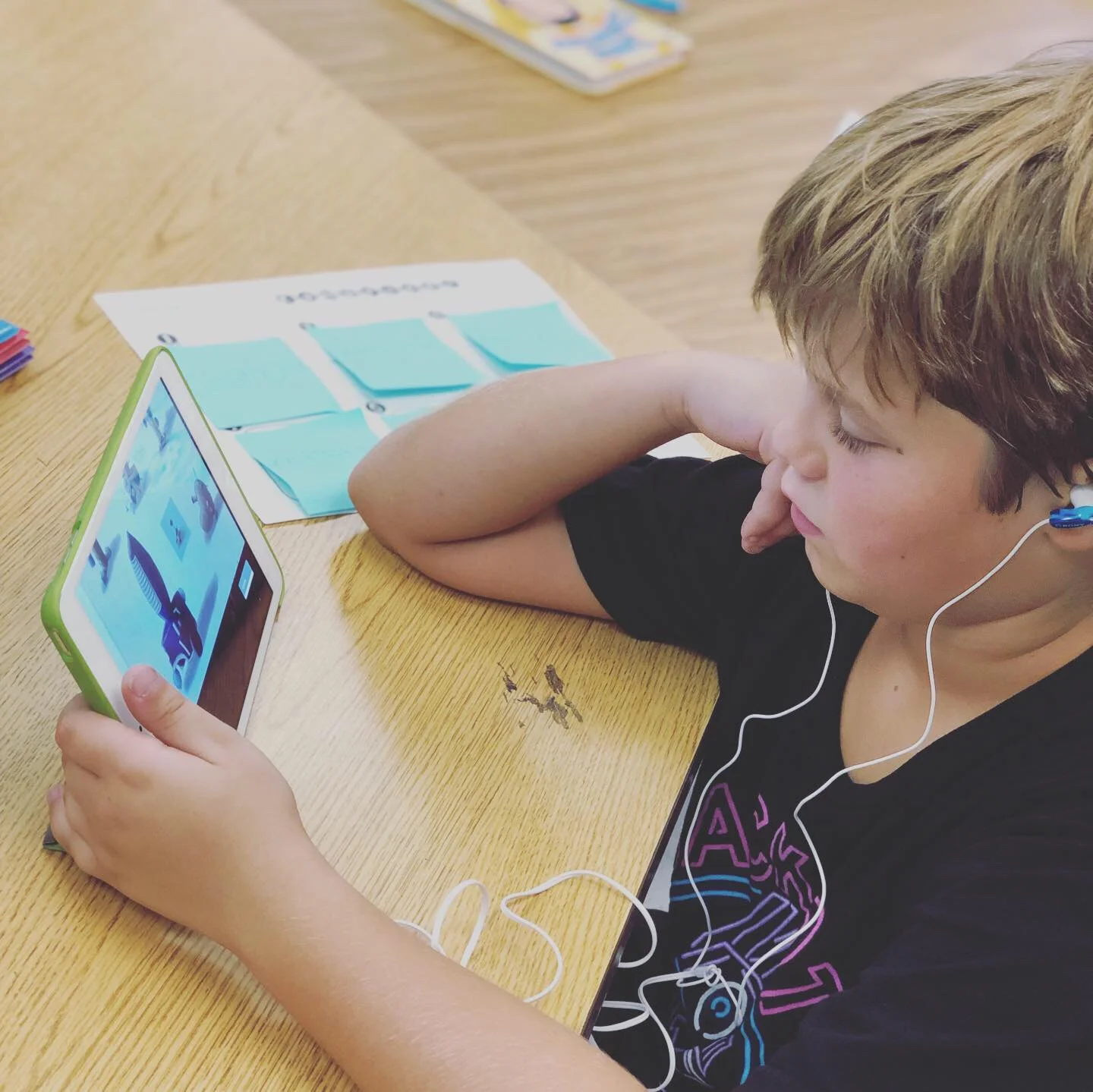
2) Rank the traits based on how much they felt the character showed them throughout the story. This is where the students were able to pick up, rearrange and move the post-its after finding the various evidence points. This was an important part of the lesson and really the foundation for using the post-it notes in the first place. This step allowed students to reflect and revise their thinking after they worked through all the evidence. Many students changed their original thinking of how the traits should be ranked once they took the time to support the thinking.
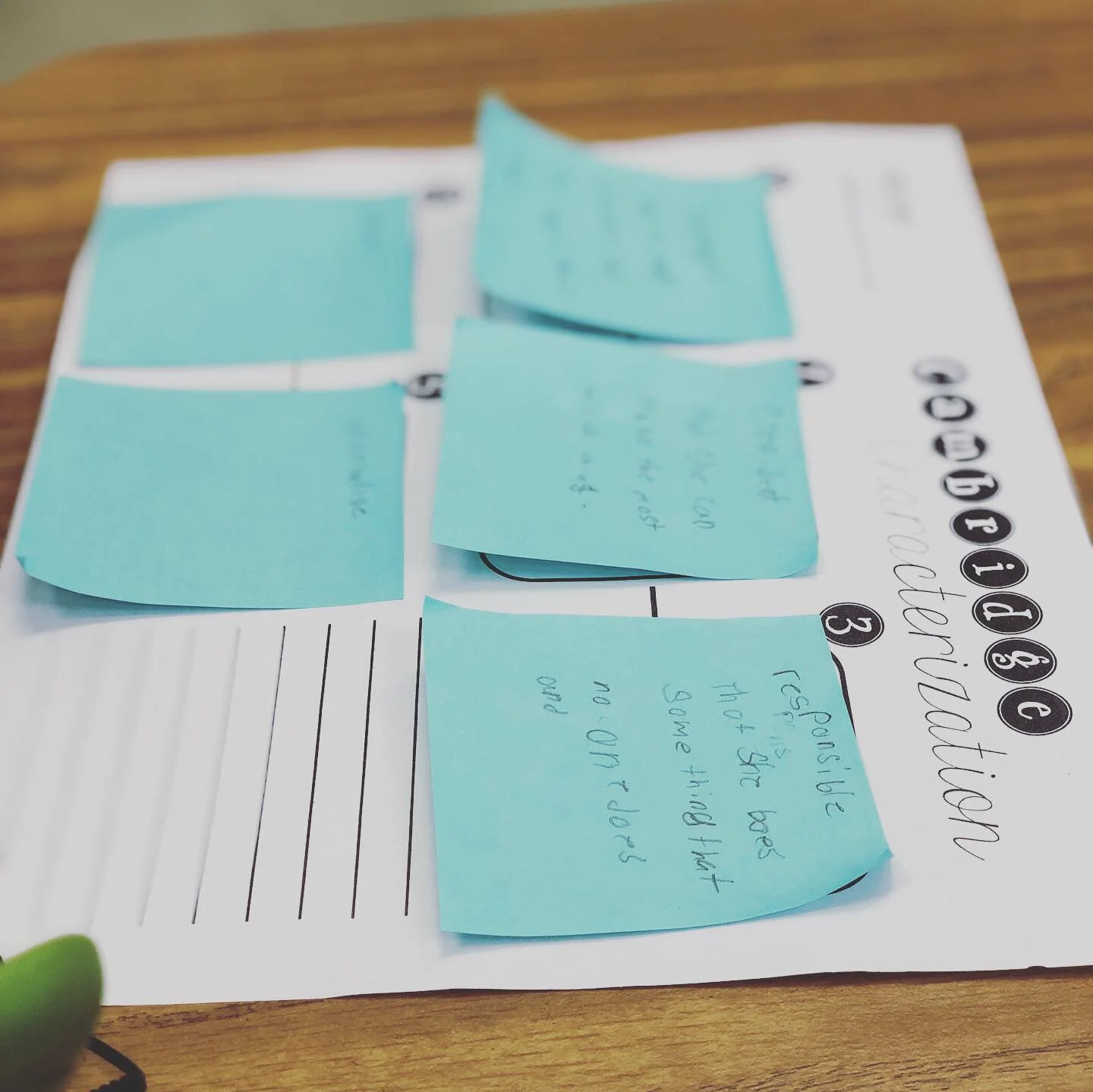
3) Explain the ranking order they chose and discuss the importance of that #1 ranked trait to the theme of the story. In the story we read, the character sticks with her project and works through the frustration to accomplish building her creation. So for example, if confidence was their most important trait, students explain the importance of needing confidence to get through tough situations.
The next step will of course be for students to share their rankings and elaborate on their thinking using Flipgrid. But in this lesson, working out thoughts first before sharing on video was the way to go. Feel free to grab the template to use if you can or use the one without a title for you to rank and explain in another subject or with another standard.
-K 👗
*Some of the links in this post contain affiliate links and we will receive a small commission if you make a purchase after clicking on the link.*
Classroom Management for the Beginning of the Year: "The Good Egg"
Have you checked out “The Good Egg,” by Jory John and Pete Oswald? This book can be used to promote positive behavior, and adding this classroom management tip can help keep your students on task throughout the year!
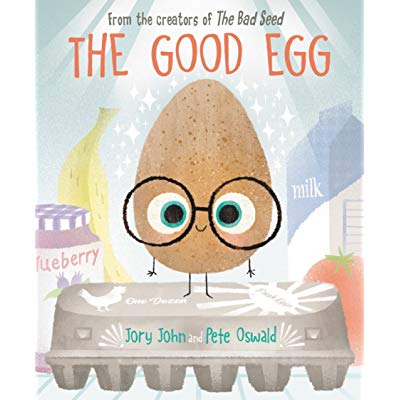
Have you checked out “The Good Egg,” by Jory John and Pete Oswald? It’s the “sequel” to “The Bad Seed.” In “The Good Egg,” a self-identified "good egg" lives in a carton at the farmer's market with 11 other eggs who all have a tendency to misbehave. The good egg tries to be perfect and take charge but eventually, the stress of it all starts to show and it becomes clear that a big change is needed. So the good egg sets off on a journey of self-discovery and self-care that involves relaxation, meditation, and even painting. Finally, the good egg returns home having learned that nobody is perfect and it's important to take time to be good to yourself and your fellow eggs.
This important message is powerful for students to learn during the first few days of school. To use this with my classroom management, I purchased these plastic egg trophies (affiliate link). I had the idea to use one of the trophies to pass around to any student who was “being a good egg.” The egg trophy can move at any time - if I catch a student doing something positive. I explained to my students that if you have the egg, and then it gets moved, that doesn’t mean that you have done anything wrong. It just means that I caught someone else doing something great! The person who has the egg trophy at the end of the day receives a prize. So, it encourages positive class behavior!
To purchase the “Good Egg” and the plastic “Egg Trophies,” check out the (affiliate) links below.
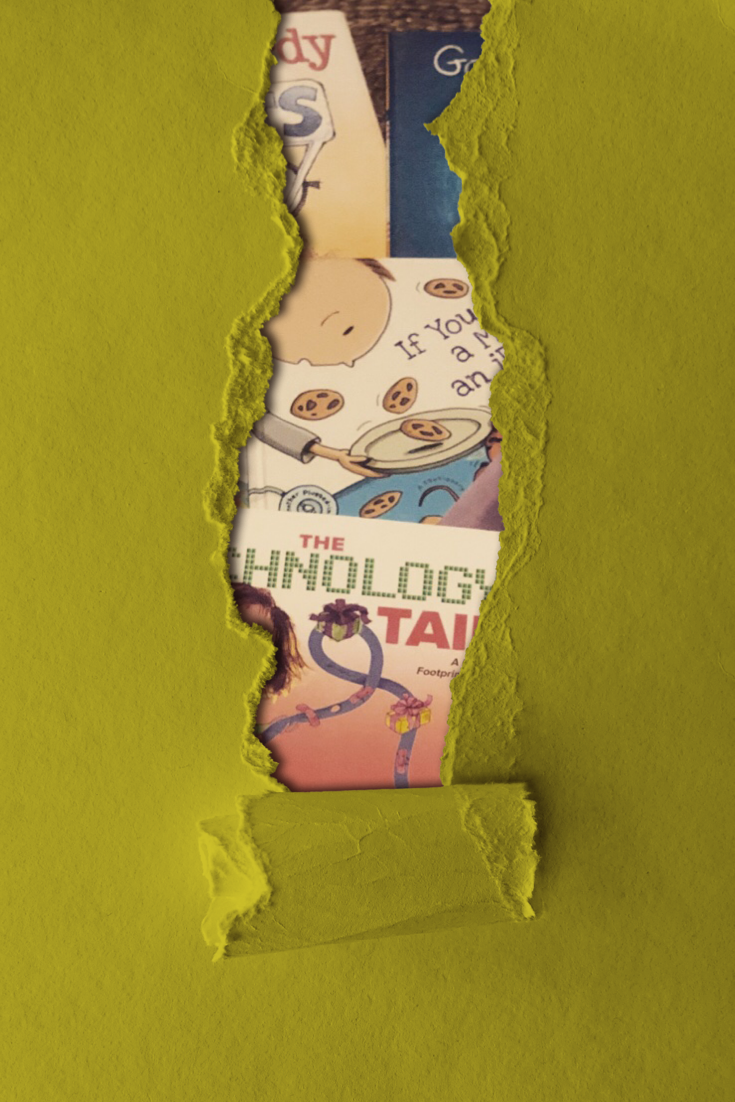
When EdTech Meets Children's Lit
Maybe one of the main reasons why I love using picture books in the class is because they are responsive—they are a result of people’s reactions to the world around us. Picture books help me pivot. They help me change up what I am doing to connect with and meet the needs of the students I currently have in the classroom.
Being primarily a teacher of language arts, my lessons often revolve around picture books. And if I am being completely honest, I am a tad obsessed with picture books. I love how we can sit together and read them as a class in a more intimate setting. Illustrations always vary and exposing students to various expressions and emotions through illustrations is always a win-win. But maybe one of the main reasons why I love using picture books in the class is because they are responsive—they are a result of people’s reactions to the world around us. Picture books help me pivot. They help me change up what I am doing to connect with and meet the needs of the students I currently have in the classroom.
A while back I wrote and received a grant from a local organization who works very closely with teachers and schools in our district. Normally when I write grants I steer toward technology and other things for the class that I may not be able to provide my students with on my own. But this grant was different—it was for books! I have always been an advocate—maybe now more than ever—to not only use technology in meaningful ways in my classroom, but also to teach students how to use it responsibly on their own. I just received the order of books and I thought it would be fun to share them with you!

When Charlie loses his ability to be online or access his technology, he becomes frantic and even a tad angry. But, after he gets through his initial feelings, he finds other things to pass the time while learning to connect with the world around him.

Little Chicken gets really caught up with all she can do and buy online. She has innocent fun until her clicking has her meeting a new friend online. Chicken leaves to go meet this new friend only to realize that not everything on the internet is like it appears.

Similar to Chicken Clicking, in this book Popcorn the chicken becomes a bit obsessed with her new “friends” she meets online to the point where she neglects and offends the friends she sees face-to-face. But when her new “online” friends come to meet up, Popcorn ends up needing the help of her real friends to stay safe.

Fourth graders in Mr. Dickinson’s class learn all about finding reliable information online as they work on their presidential fact-finding contest. Students learn that the Internet can provide true facts but not everything there is true!

Technology can be useful and fun, but it can also be used to trick others. Billy Goat and his friend Cyril get caught up in using their words against someone they haven’t met in person. When they finally do meet they are in for a surprise and owe an apology for what they’ve done.

This book isn’t about technology, but I plan to pair it with the book above—Troll Stinks. It shares the theme of how words can hurt and how we need to put time into our interactions with others whether face to face or online.

A bored little mouse takes an iPhone and immediately becomes entranced into a world where all else fades away. He loses sight of what’s around him and possibly misses out on the real fun.

Video game addictions are on the rise and Jasper helps illustrate how kids can balance real life with their game life by gaining control.

This story does a great job illustrating to kids the importance of being responsible when posting texts, tweets, posts and pics. This story helps illustrate to kids how their decisions online will be around forever and helps them learn how to navigate technology that is every changing.

Nerdy Bird and his friend Vulture are very different—Nerdy loves technology but Vulture finds it boring. When Nerdy finds new friends online on Tweetster he has to learn how to balance his new “friends” with his real one.

After receiving a hand-me-down camera phone, the art of selfie taking leads to adventures and photos of everything. But at the end of the day kids needs to recharge their batteries too!
I am looking forward to reading these books with my students, and I will blog in the future as I find fun and engaging ways to integrate them into my ELA standards. You can also head over to our Instagram page @themerrillsEDU and check out our story where I unboxed the books live and shared a little about them. I would love to see any lessons you do with your students so tag me on social media @themerrillsedu with any great lesson ideas or experiences!
Until next time!
-👗➕👓
If you are looking for engaging lessons and ideas to make teaching and learning with technology more relevant, check out our book The InterACTIVE Class today!

